

Planning a trip sounds exciting, but if you share your home with a pet, leaving them behind can feel stressful. Most people think packing a bag and heading out is the simple part and underestimate the commitment involved in pet care when on vacation. Surprisingly, over 70 percent of American pet owners now make special arrangements for their pets before every vacation, and the steps they take have become far more detailed than ever before. There are new ways to keep your furry friend healthy, calm, and safe while you travel—and many of these methods might actually make your time apart easier than you’d expect.
Table of Contents
Quick Summary
| Takeaway | Explanation |
| Prepare your pet’s health documents early | Schedule a veterinary check-up and gather essential health certificates well in advance of travel for smooth documentation. |
| Create a detailed pet travel kit | Pack necessary medications, familiar comfort items, and first aid supplies to keep your pet safe and calm during travel. |
| Choose the right care option for your pet | Consider your pet’s personality and needs when deciding between professional boarding or in-home pet sitting for optimal comfort. |
| Thoroughly vet potential pet sitters | Conduct background checks and in-person interviews to ensure your pet sitter is trustworthy and experienced in animal care. |
| Make your home a secure environment | Remove hazards and create a safe zone for your pets with familiar items to minimize stress while you are away. |
Preparing Your Pet Before Vacation Travel
Planning a vacation requires careful preparation, especially when you have furry family members depending on you. Pet care when on vacation begins long before you actually leave, with strategic planning and thoughtful considerations to ensure your pet’s safety, comfort, and well-being.
Health and Documentation Preparation
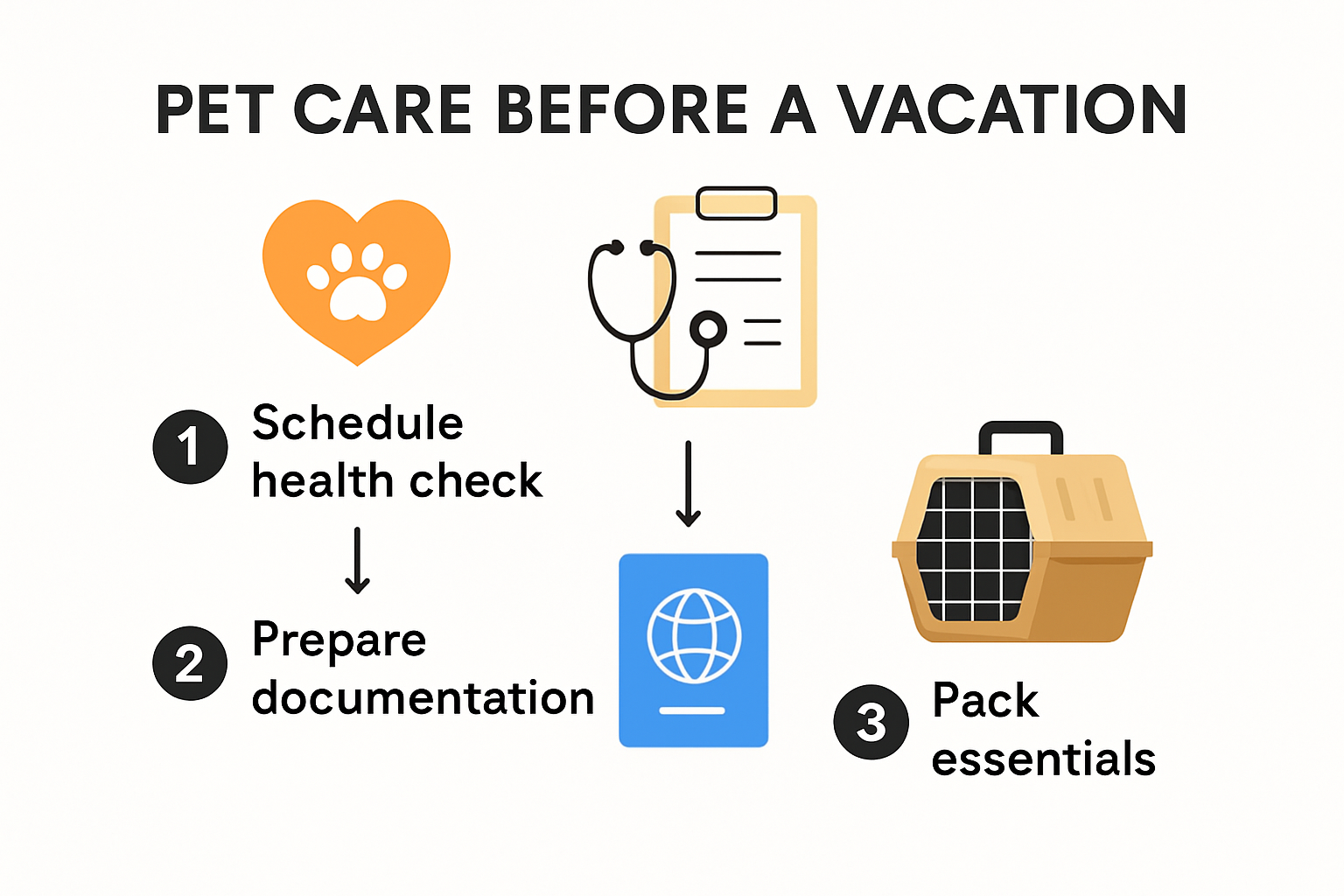
Before embarking on any travel adventure, a comprehensive health check is crucial. Schedule a veterinary appointment at least 4-6 weeks prior to your departure. During this visit, ensure your pet is up-to-date on all vaccinations and receives a thorough health examination. American Veterinary Medical Association recommends obtaining a current health certificate, which may be required for certain destinations or modes of transportation.
If you’re traveling across state lines or internationally, research specific health documentation requirements. Some regions mandate additional vaccinations or health screenings. Make multiple copies of medical records, microchip information, and vaccination certificates. Store digital copies in cloud storage for easy access in case of emergencies.
Packing Essential Pet Travel Kit
Creating a dedicated travel kit for your pet can significantly reduce stress and ensure preparedness. Essential items should include:
Medications: Pack sufficient prescription medications with original labels
Familiar Comfort Items: Favorite toy, blanket to reduce anxiety
Portable Food and Water Containers: Collapsible options for easy transport
First Aid Supplies: Basic pet first aid kit with bandages, antiseptic wipes
Centers for Disease Control and Prevention emphasizes the importance of maintaining your pet’s routine as much as possible during travel. Bringing familiar items helps create a sense of security and reduces potential travel-related stress.
Behavioral and Emotional Preparation
Travel can be overwhelming for pets, particularly those who are not frequently exposed to new environments. Begin acclimating your pet to travel conditions gradually. If traveling by car, take short practice drives to help them become comfortable. For pets unused to carriers or travel crates, introduce these items weeks in advance, making them positive spaces with treats and comfortable bedding.
Consider your pet’s individual temperament. Some animals are naturally more anxious, and might benefit from calming supplements or techniques recommended by your veterinarian. Discuss potential anxiety management strategies specific to your pet’s needs, which could include pheromone sprays, anxiety wraps, or mild sedation for extreme cases.
Remember, successful pet care when on vacation starts with comprehensive preparation. By addressing health, documentation, practical needs, and emotional well-being, you create a foundation for a smooth, enjoyable travel experience for both you and your beloved companion.
Choosing the Right Pet Care Option
Selecting the most appropriate pet care solution during your vacation is a critical decision that directly impacts your pet’s comfort, safety, and emotional well-being. The right choice depends on multiple factors, including your pet’s personality, health requirements, and the duration of your absence. If you’re interested in professional care options, consider looking into our services.
Professional Boarding vs. In-Home Pet Sitting
When considering pet care options, you have two primary choices: professional boarding facilities or in-home pet sitting. State Farm emphasizes the importance of matching the care option to your pet’s unique personality and needs. If you’re considering an in-home option, you may also want to explore our pet sitting services.
Professional boarding facilities offer structured environments with round-the-clock supervision. These facilities typically provide socialization opportunities, scheduled feeding times, and medical monitoring. However, they can be stressful for pets who are uncomfortable with unfamiliar surroundings or have anxiety in group settings. Oklahoma State University recommends thoroughly researching potential boarding facilities by visiting in person, checking cleanliness standards, and verifying staff qualifications.
Alternatively, in-home pet sitting allows your pet to remain in their familiar environment, which can significantly reduce stress. This option maintains your pet’s regular routine and provides personalized attention. Professional pet sitters can offer specialized care for pets with medical needs or those requiring medication. For more information on this, visit our pet medication administration services.
Below is a comparison table to help you understand the main differences between professional boarding and in-home pet sitting options discussed above.
| Care Option | Environment | Pros | Cons |
| Professional Boarding | Structured, external facility | 24/7 supervision, socialization, medical monitoring | Unfamiliar environment, stress for anxious pets |
| In-Home Pet Sitting | Pet’s own home | Familiar setting, personalized care, routine maintained | Less immediate supervision, limited social interaction |
Specialized Care Considerations
Each pet has unique requirements that influence the ideal care option. Senior pets or those with chronic health conditions might benefit from more individualized care. Rutgers University’s 4-H Animal Science Resource Blog suggests preparing detailed medical instructions and ensuring your chosen caregiver is comfortable managing specific health needs.
Consider these factors when selecting a pet care provider:
Medical Requirements: Ability to administer medications
Temperament: Social versus independent pets
Age and Physical Limitations: Special accommodations for senior or disabled pets
Dietary Restrictions: Capacity to follow specific feeding instructions
Preparation and Communication
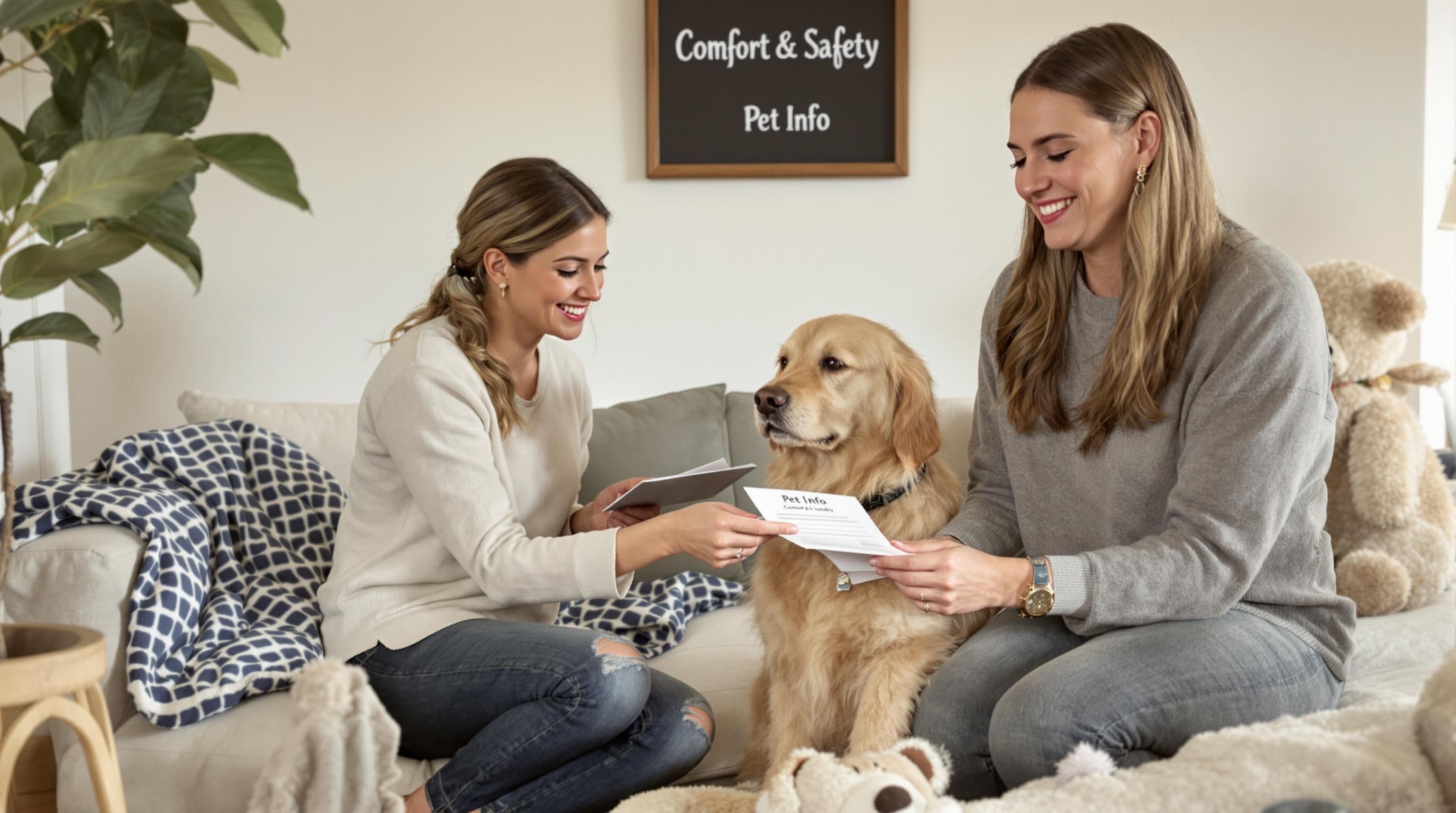
Regardless of your chosen care option, comprehensive preparation is essential. Provide your pet care provider with:
Detailed feeding schedules
Medication instructions
Emergency contact information
Veterinarian contact details
Comprehensive list of pet’s behavioral traits
Communicate openly about your pet’s specific needs, comfort level, and any potential anxiety triggers. A reputable pet care professional will appreciate thorough information and work to create the most comfortable experience possible.
Pet care when on vacation requires thoughtful planning and a nuanced understanding of your pet’s individual needs. By carefully evaluating options and preparing extensively, you can ensure your furry companion remains safe, comfortable, and well-cared for during your absence.
How to Find and Vet Pet Sitters
Finding a reliable and trustworthy pet sitter requires a strategic approach that goes beyond simple recommendations. Pet care when on vacation demands careful screening and thorough evaluation to ensure your furry family member receives the highest quality care.
Sourcing Potential Pet Sitters
Multiple avenues exist for finding reputable pet care when on vacation professionals. Professional Pet Sitters International recommends leveraging both personal networks and professional platforms. Start by asking trusted veterinarians, local pet stores, and fellow pet owners for recommendations. Online platforms like Rover and Care.com offer comprehensive databases of professional pet sitters with detailed profiles and review systems.
Consider these primary sourcing strategies:
Professional Networks: Veterinary clinic recommendations
Online Platforms: Specialized pet sitting websites
Local Community Groups: Social media and neighborhood forums
Professional Associations: Certified pet care professional directories
Below is a summary table of the main sourcing methods for finding reputable pet sitters as described above.
| Sourcing Method | Description | Example Sources |
| Professional Networks | Recommendations from veterinary clinics | Local vets, pet stores |
| Online Platforms | Dedicated pet sitting websites, reviews | Rover, Care.com |
| Local Community Groups | Social media, neighbors, online forums | Facebook groups, Nextdoor |
| Professional Associations | Certified pet sitter directories | Pet Sitters International |
Comprehensive Vetting Process
Beyond initial recommendations, a thorough vetting process is crucial. Request comprehensive background checks and professional references. Conduct in-person interviews to assess the potential pet sitter’s experience, approach to animal care, and compatibility with your pet’s specific needs.
Key vetting considerations include:
Professional Credentials: Certifications in pet care
Experience: Documented history of pet sitting
Insurance and Bonding: Professional liability coverage
Communication Skills: Ability to provide detailed updates
Schedule a meet-and-greet session where the potential pet sitter interacts with your pet. Observe their handling techniques, patience, and ability to read animal body language. This interaction provides invaluable insights into their suitability and your pet’s comfort level.
Critical Documentation and Expectations
Establish clear expectations through comprehensive documentation. Prepare a detailed care packet that includes:
Specific feeding instructions
Medication schedules
Emergency contact information
Veterinarian details
Behavioral quirks and preferences
Comfort items and routine information
Discuss communication expectations explicitly. Determine preferred communication methods and frequency of updates. Many professional pet sitters now offer real-time photo and video updates, providing peace of mind during your absence.
Consider requesting a trial run before your actual vacation. A short test period allows you to observe the pet sitter’s performance and your pet’s reaction in a low-stakes environment. This approach minimizes potential issues and builds confidence in your chosen care provider.
Remember that finding the right pet sitter is an investment in your pet’s well-being. Take time to research, interview, and carefully select a professional who will treat your pet with the same love and attention you would. The right pet sitter becomes more than a service provider—they become a trusted partner in your pet’s care.
Making Your Home Safe and Comfortable for Pets
Ensuring your home remains a safe and comfortable environment for your pets during your absence is crucial for their well-being. Pet care when on vacation extends beyond finding the right caregiver—it involves creating a secure and nurturing space that minimizes stress and potential hazards.
Pet-Proofing Your Living Space
Before leaving, conduct a comprehensive home safety assessment. American Humane recommends systematically removing potential dangers and creating a controlled environment that prevents accidents. Start by securing loose electrical cords, removing toxic plants, and ensuring medications and cleaning supplies are completely out of reach.
Key areas to address include:
Kitchen Safety: Secure trash cans with locking lids
Furniture Protection: Cover or remove delicate items
Hazardous Materials: Store chemicals in locked cabinets
Small Object Removal: Eliminate choking hazards like small toys or loose objects
Consider creating a designated safe zone for your pet. This could be a specific room or area with comfortable bedding, familiar toys, and easy access to water. The Humane Society suggests using baby gates or pet barriers to restrict access to potentially dangerous areas of your home.
Environmental Comfort and Routine Maintenance
Maintaining your pet’s comfort is a key part of pet care when on vacation and involves preserving their familiar environment and routine. Leave out clothing items with your scent, which can provide emotional comfort and reduce separation anxiety. Ensure temperature controls are set to maintain a comfortable environment, considering your pet’s specific needs.
Prepare detailed instructions for your pet sitter regarding:
Temperature Preferences: Ideal room temperature
Lighting Requirements: Night lights or curtain settings
Background Noise: Preferred music or television sounds
Comfort Item Locations: Specific blankets or toys
Consider technological solutions to monitor and support your pet’s comfort. Smart home devices now offer pet cameras, automated feeders, and temperature monitoring systems that can provide additional peace of mind during your absence.
Emergency Preparedness
Develop a comprehensive emergency plan that extends beyond routine care. Create a clearly visible emergency contact sheet that includes:
Your contact information
Veterinarian’s contact details
Local emergency veterinary clinic information
Trusted neighbor or family member’s contact
Pet’s medical history and current medications
Leave explicit instructions about potential medical scenarios, including any pre-existing conditions or specific health concerns. Provide written authorization for emergency medical treatment and ensure your pet sitter has access to necessary medical documentation.
Pet care when on vacation requires meticulous planning and attention to detail. By creating a safe, comfortable, and well-prepared environment, you can minimize stress for both your pet and their caregiver. Remember that each pet is unique—what works for one may not work for another. Personalization and thorough preparation are key to ensuring your pet’s safety and comfort during your absence.
Frequently Asked Questions
What should I prepare for my pet before going on vacation?
Before going on vacation, ensure your pet’s health is up-to-date by scheduling a veterinary check-up. Gather essential health documents, pack a travel kit with medications and comfort items, and start behavioral acclimation to travel conditions.
Should I choose professional boarding or in-home pet sitting for my pet?
The choice between professional boarding and in-home pet sitting depends on your pet’s personality and specific needs. Boarding facilities offer structured care, while in-home sitting allows pets to stay in their familiar environment, reducing anxiety.
How can I find a reliable pet sitter?
To find a reliable pet sitter, ask for recommendations from veterinarians and trusted friends, explore professional pet sitting platforms, and conduct thorough background checks. Always meet potential sitters in person and assess their compatibility with your pet.
How can I ensure my home is safe for my pets while I’m away?
To ensure your home is safe for your pets, conduct a thorough safety assessment. Remove hazards, secure toxic materials, and create a designated safe zone with familiar items. Also, maintain a comfortable environment and prepare for emergencies with clear instructions for your pet sitter.
Enjoy Your Vacation Without Pet Stress—Let Us Care for Your Best Friend
Even with the best planning, leaving your pet behind during a vacation can bring up real worries. The article above highlights how separation, finding a trustworthy pet sitter, and ensuring a secure, loving environment are some of the biggest pain points pet owners face. At Pet Care with Love, we understand how important pet care when on vacation is to keep your pet healthy, comfortable, and calm while you are away. Our compassionate, home-based team is committed to treating every pet as if they were our own—just like you read about in the latest best practices for vacation pet care.
Want your pet to feel safe and cared for in familiar surroundings? Trust our local walking and sitting services to keep your pet’s routine steady and their spirits high. Reach out to Pet Care with Love and let us show you how easy peace of mind can be. Reserve your spot now and enjoy your time away knowing your pet receives the respect and attention they deserve. Connect with us today and experience the difference a truly personal touch brings.
